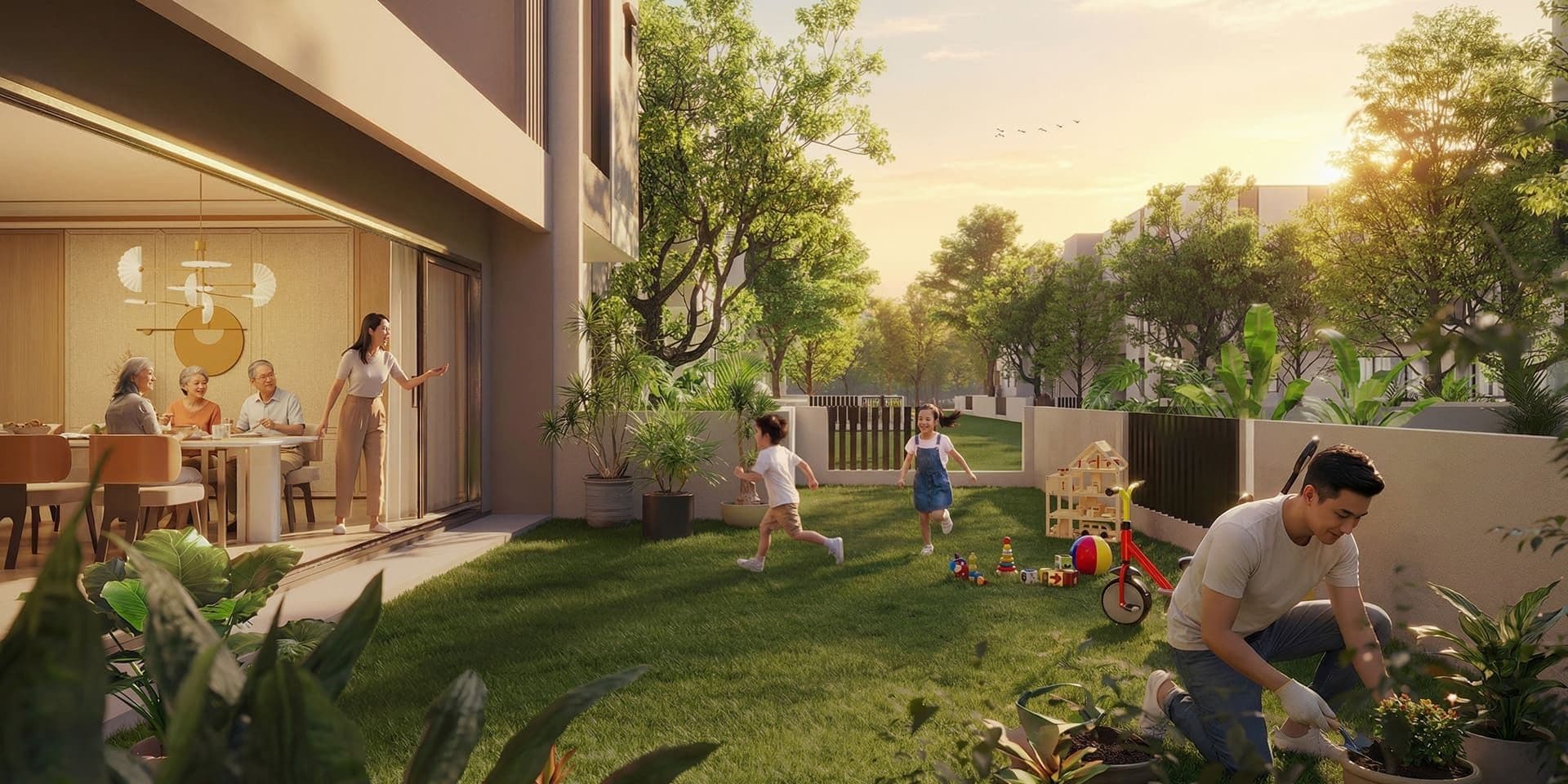
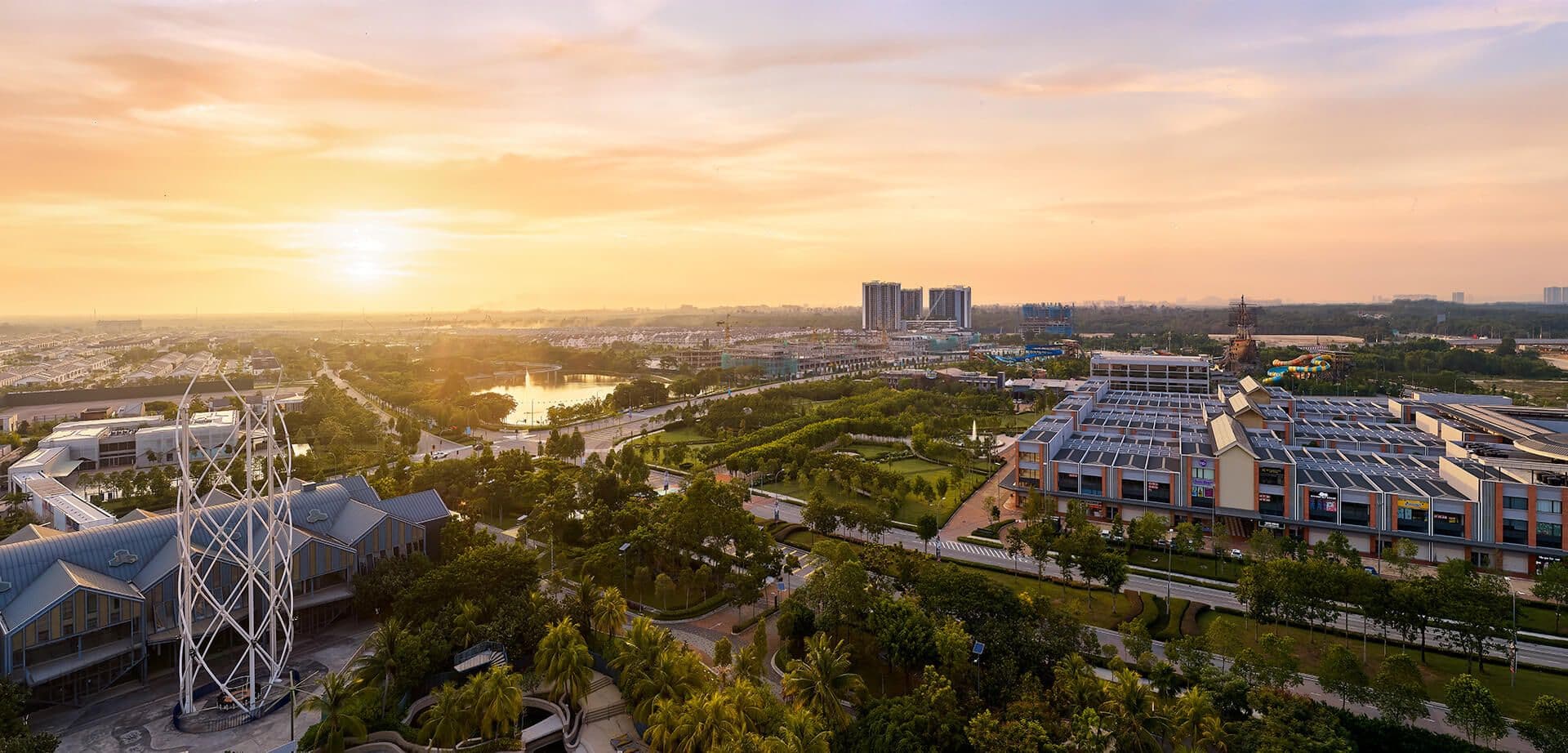
The Best Green Township in Klang Valley: What Qualifies as a Good Green Township?
09 October 2026
by Gamuda Land


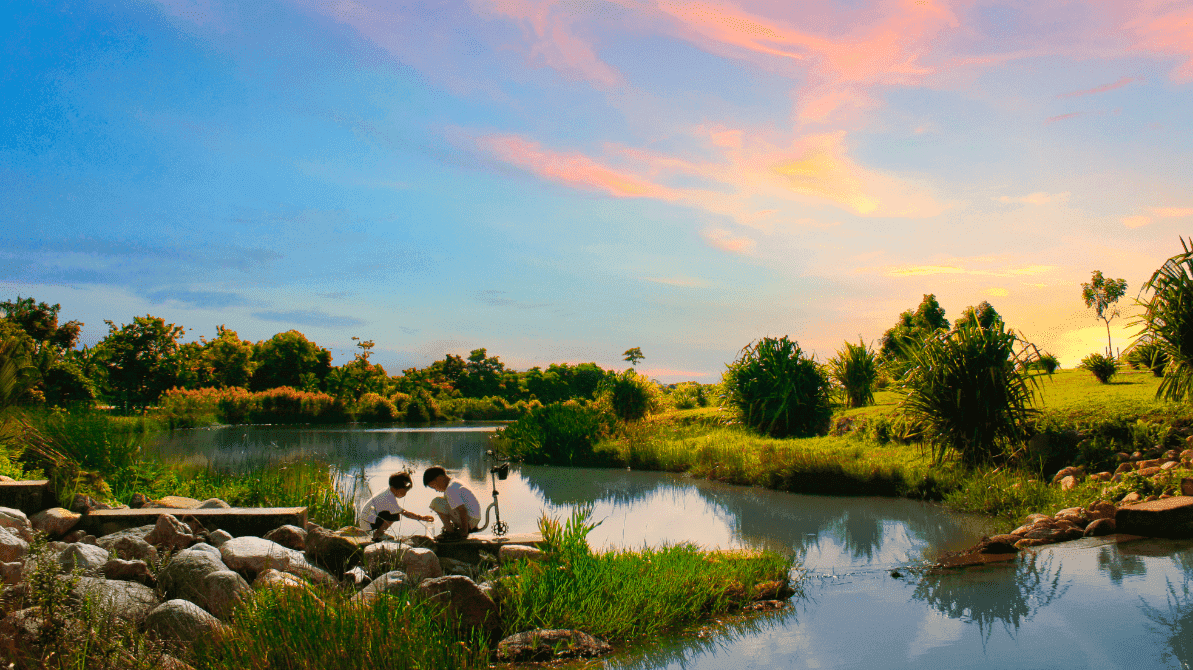
Key Takeaways:
- A green township is measured less by how much greenery meets the eye, and more by how quietly nature works.
- These natural elements are woven into the wider neighbourhood, influencing where people walk, gather, and spend time outdoors, rather than serving as landscaping alone.
- With Gamuda Land, every township reflects its natural conditions, with the plan shaped around what is already there.
- From the wetland setting at Gamuda Cove to the rehabilitated plantation at Gamuda Gardens and the lake-centred waterfront at twentyfive7, each development responds differently to its own site.
- Guided by the Gamuda Green Plan and supported by the long-term stewardship of Gamuda Parks, the approach continues beyond planning and delivery, allowing landscapes and habitats to keep maturing as the community grows.
A genuinely green township is shaped by listening to what the land has to tell us.
That means working with the site's character rather than treating it as something added after the plan is drawn. The land itself helps shape how the development takes form and how nature remains part of it over time.
For Gamuda Land, this principle sits within a wider sustainability approach, with each development responding differently to its own environmental context.
How Does a Green Township Support Everyday Living in Hotter, Drier Weather?
As Malaysia experiences periods of haze, heat and drier weather from time to time, often during El Niño, these conditions are becoming more relevant to how people experience their surroundings.
On warmer days, things such as shade along a walking route, tree cover around a park and how comfortably people can spend time outdoors start to matter more.
At the same time, changing rainfall patterns bring greater attention to how water is absorbed, slowed and managed across the wider landscape.
These are some of the quieter ways a green township can shape the living environment, even when the weather itself is beyond anyone's control.
What Is the Difference Between Green Landscaping and a Green Township?
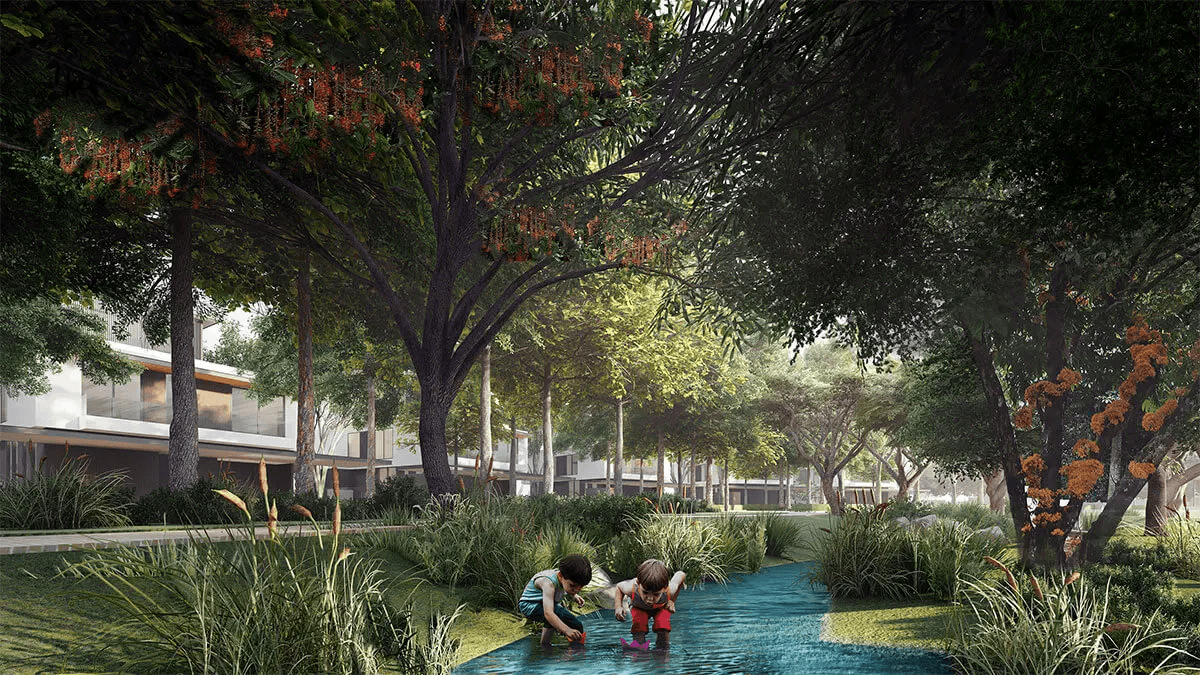
Source: https://www.gamudaland.com.my/sustainability/environmental
Both make a place greener, but at different depths.
Green landscaping is about the greenery people experience directly, from trees lining the street to parks, gardens and planting that make a neighbourhood feel calmer and more pleasant to use. It improves the look and everyday enjoyment of a development, and that still matters.
A green township works at a larger scale. It considers how natural systems function across the whole masterplan. From how rainwater is absorbed and stored to how tree cover improves outdoor comfort, habitats connect and walking or cycling becomes easier to build into daily life.
Landscaping makes a place greener to experience. A green township is planned so nature also helps the wider environment function better over time.
How the Gamuda Green Plan Guides Township Development
Behind this approach sits the Gamuda Green Plan, the Group-wide framework that shapes how sustainability is applied across everything Gamuda builds.
Introduced in 2021, it is organised around four pillars covering:
- Sustainable Planning & Design for Construction
- Our Community in Our Business
- Environmental and Biodiversity Conservation
- Enhancing Sustainability via Digitalisation
The plan also sets measurable benchmarks behind its sustainability goals, including targets to reduce greenhouse gas emissions intensity by 30% by 2025 and 45% by 2030.
On the ground, Gamuda Parks helps carry those commitments forward through biodiversity conservation, ecosystem management and long-term park stewardship across Gamuda Land developments.
Its initiatives range from biodiversity audits and Advanced Tree Planting to native-species conservation and the wider #OneMillionTrees programme.
Read:
- What Township Living Actually Means - and What You Get That a Standalone Development Can't Give You
- Integrated Townships Explained: Why the Masterplan Matters
- High-Rise VS Landed: Which Fits Your Family?
What Makes Gamuda Land’s Townships Green?
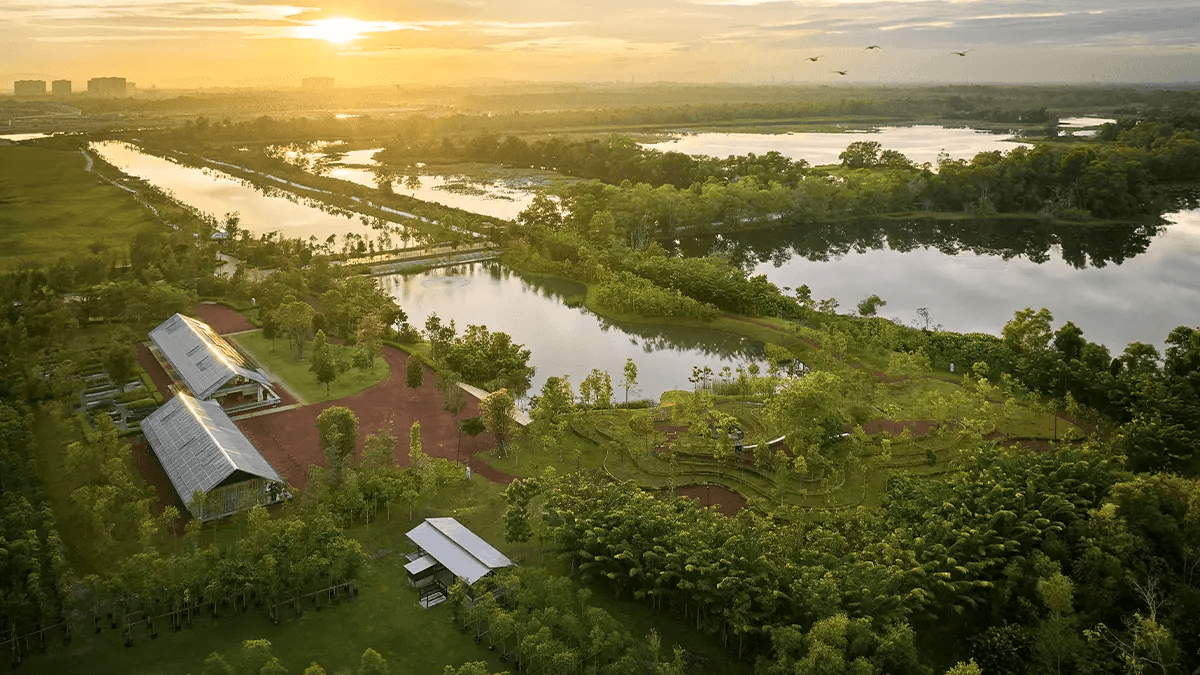
Source: https://www.gamudaland.com.my/sustainability/environmental
Every Gamuda Land township begins with the site's natural conditions.
The same nature-led principles guide each masterplan, but how they are applied responds to what each site presents, shaping how the land is used, how nature is retained or restored, and how the neighbourhood performs over time.
That same approach extends across Gamuda Land's portfolio, from its homegrown townships in Malaysia to its developments in Vietnam, Singapore, Australia and the United Kingdom.
Nature Planned as Infrastructure, Not Landscaping
Parks, lakes, wetlands and planted corridors each serve a purpose beyond their appearance, functioning as natural systems alongside built infrastructure.
Together, they can help manage rainfall, support biodiversity and make outdoor spaces more comfortable to use.
During hotter or drier periods, that role becomes more tangible, with tree cover providing shade along walking routes and in parks, while planted areas and water systems continue to shape the wider landscape's response to changing conditions.
Permeable Pathways and Bioswales Built Into Everyday Spaces
Water management is also integrated into the development's everyday operations rather than kept out of sight as a separate system.
Permeable pathways allow more rainwater to seep into the ground rather than flow immediately into drains. At the same time, bioswales use layers of planting, soil, and roots to slow, absorb, and filter runoff.
Together, they manage rainfall more gradually as it moves through the landscape.
Terrain-Responsive Design That Works With the Land
Existing slopes, contours and waterways can influence where homes, roads, parks and shared spaces are placed.
Where appropriate, selected landforms are retained and integrated into the wider design rather than being flattened by default. This allows the site's original character to shape how the township takes shape.
Trees Selected According to Purpose and Place
A walkway, playground, slope and row of homes each call for a different kind of planting.
Large-canopy trees bring more shade and comfort to walking and play areas. Deep-rooted species help keep soil more stable on slopes and uneven ground, while layered planting between homes adds privacy and helps soften dust and noise.
That same purpose-led approach carries into wider efforts such as Advanced Tree Planting and the #OneMillionTrees programme.
Biodiversity Measured and Managed Over Time
Regular biodiversity audits with experts such as the Forest Research Institute Malaysia (FRIM) track the plants and animals living in and around each township.
The findings establish a baseline, identify species that need protection and reveal how ecological conditions change.
That evidence then guides subsequent restoration and planting decisions, helping native species and habitats receive more targeted support rather than simply adding more greenery.
Water Systems Designed for More Than One Purpose
Lakes, wetlands, retention areas and planted drainage features each serve more than one purpose within the masterplan.
When rainfall arrives, they help slow and store it, easing pressure on the wider drainage network. When conditions turn drier, the same network of water bodies and planted areas helps the surrounding landscape respond more gradually to the change.
Together, these systems allow water management, ecology, and community use to work across varying conditions rather than around a single scenario.
Green Routes That Make Movement Part of Daily Life
When walking and cycling routes connect directly to the places people already need to reach, movement becomes easier to build into the day.
Shaded paths and cycle links can connect homes with schools, shops and community destinations, reducing the need for every short journey to begin with a car.
The outcome is a setting where moving outdoors fits more naturally around regular routines.
Green Spaces That People Actually Use
A green space has more value when people have a reason to return throughout the week.
Active parks, play areas and recreational grounds give children room to move, families somewhere to spend time outdoors and neighbours a natural setting to meet.
Frequent use turns these places into part of community life, supporting wellbeing rather than leaving greenery as passive open space.
Long-Term Environmental Stewardship Through Gamuda Parks
Green infrastructure still requires care after a township is delivered.
Gamuda Parks, Gamuda Land's in-house sustainability division, carries this responsibility through habitat conservation, park care, ecological monitoring and programmes that keep nature accessible to the community.
This long-term stewardship allows the environmental framework to mature alongside the development rather than ending at handover.
Also Read:
- Understanding the Long-Term Value of a Gamuda Land Home
- Gamuda Land’s Build Quality, Engineering DNA, and Delivery Track Record
- Built by Engineers: What Gamuda Land's Construction DNA Actually Changes About Your Home
- How Gamuda Land Townships Are Built to Last: Mature Communities, Proven Track Record, and What That Means for Your Home
How Gamuda Land Applies Green Township Planning Differently Across Its Developments
No two sites begin the same, and each one is planned around what the land has to offer. Its existing ecology, terrain, and natural features influence how the masterplan takes shape and how the development evolves.
Gamuda Cove
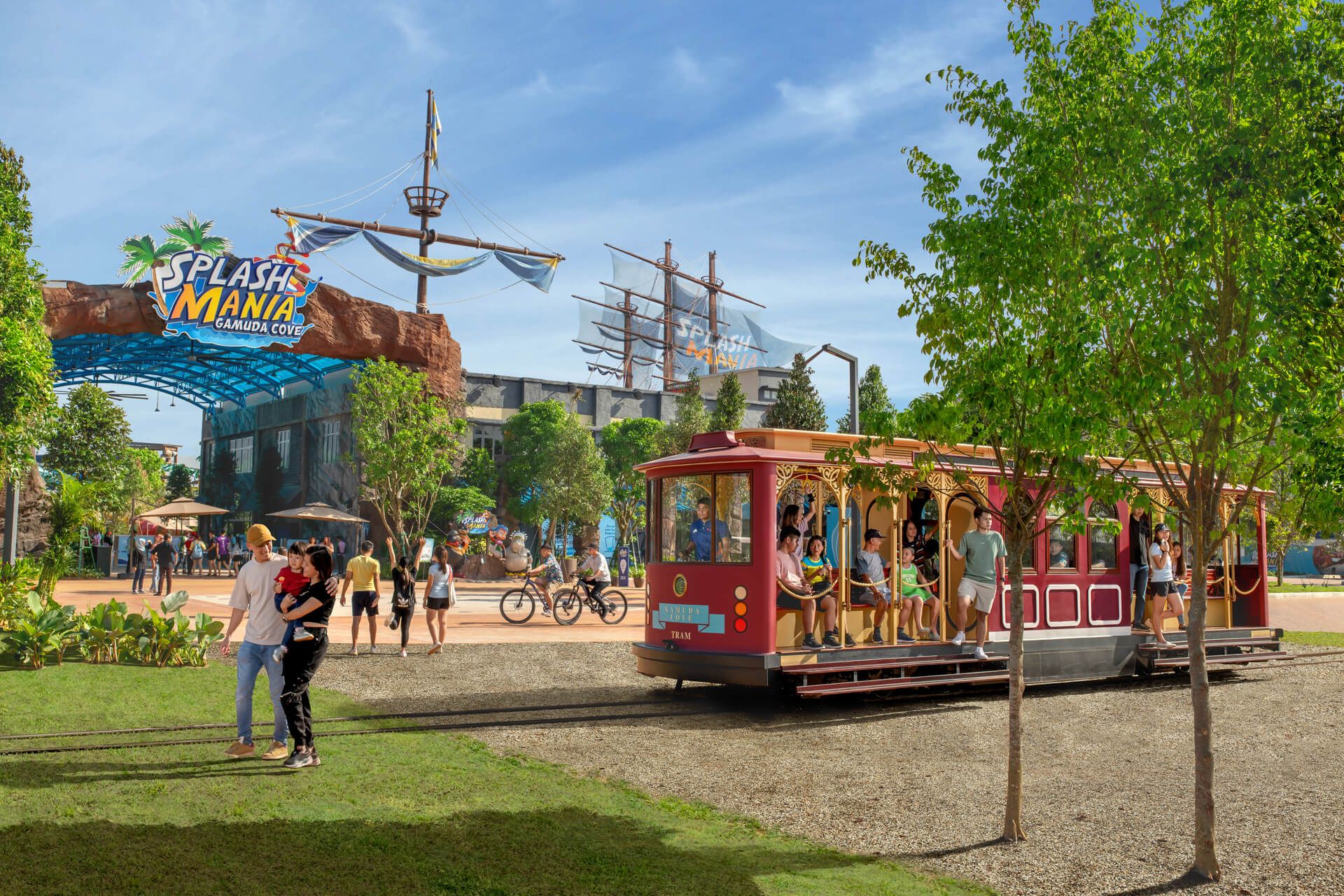
Gamuda Cove is built around a wetland setting. It sits beside Paya Indah Discovery Wetlands, placing an established natural ecosystem right alongside the township.
Instead of treating that setting as a backdrop, the masterplan carries the nature-led character further into the development through the 90-acre Wetlands Arboretum.
Dedicated to conservation, research, and nature learning, the Arboretum gives residents and visitors a closer connection to the surrounding ecology, while Malaysia’s first EDGE-accredited net-zero building adds a measurable layer of sustainability to the experience.
Gamuda Gardens
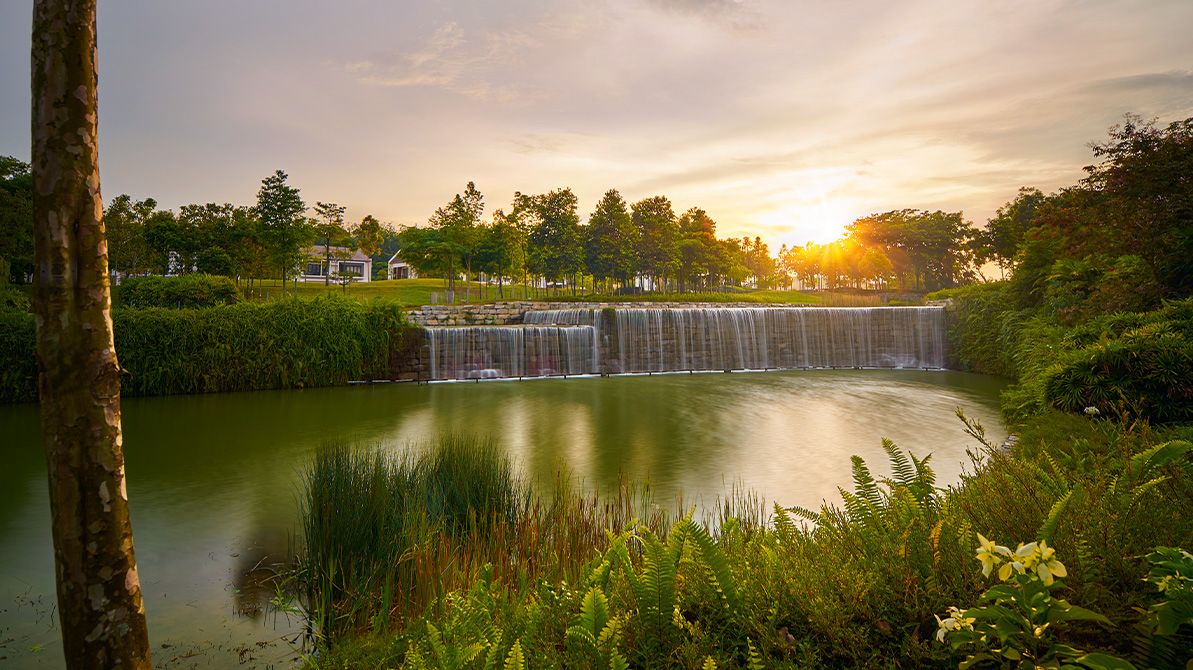
Gamuda Gardens was rehabilitated from an abandoned rubber plantation, with the original terrain becoming part of how the township was rebuilt.
Rather than flattening its slopes and contours, the masterplan worked them into the landscape. The 50-acre Central Park now sits at the heart of that setting, becoming part of the daily experience through walking routes, play areas and open green spaces.
The same terrain also shapes five cascading lakes, waterways and swales, helping manage rainwater while supporting biodiversity and extending the restored landscape across the township.
In 2024, Gamuda Gardens’ biodiversity audit recorded 50 bird species, 6 mammal species, 4 reptile species and 185 insect species.
twentyfive7
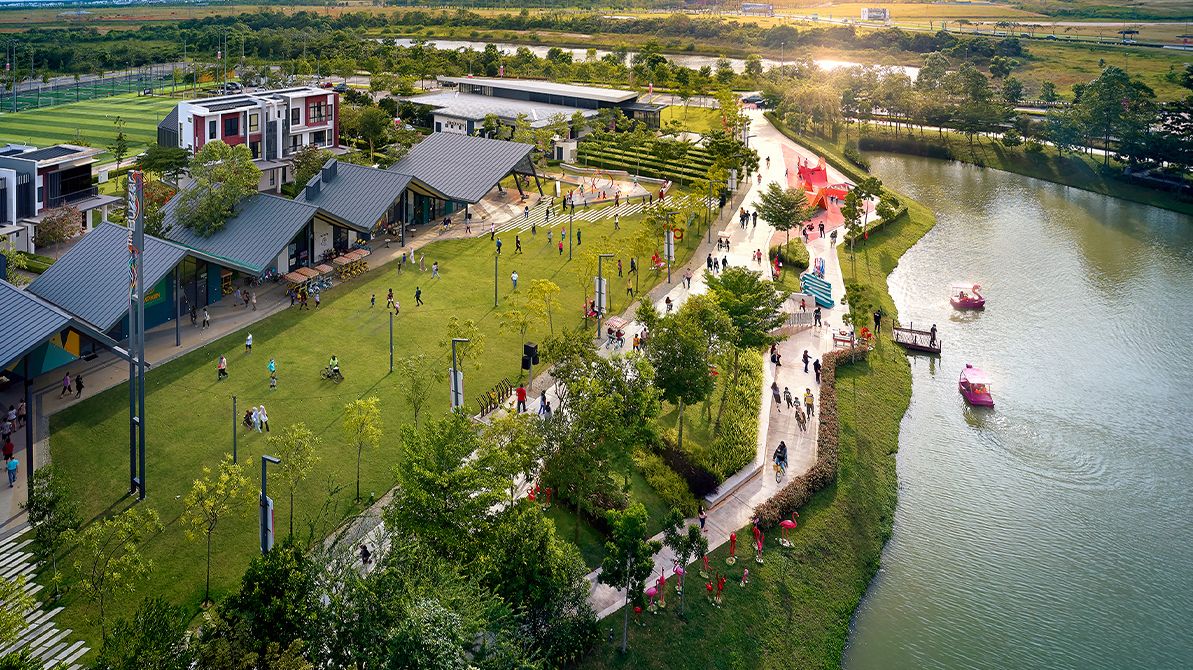
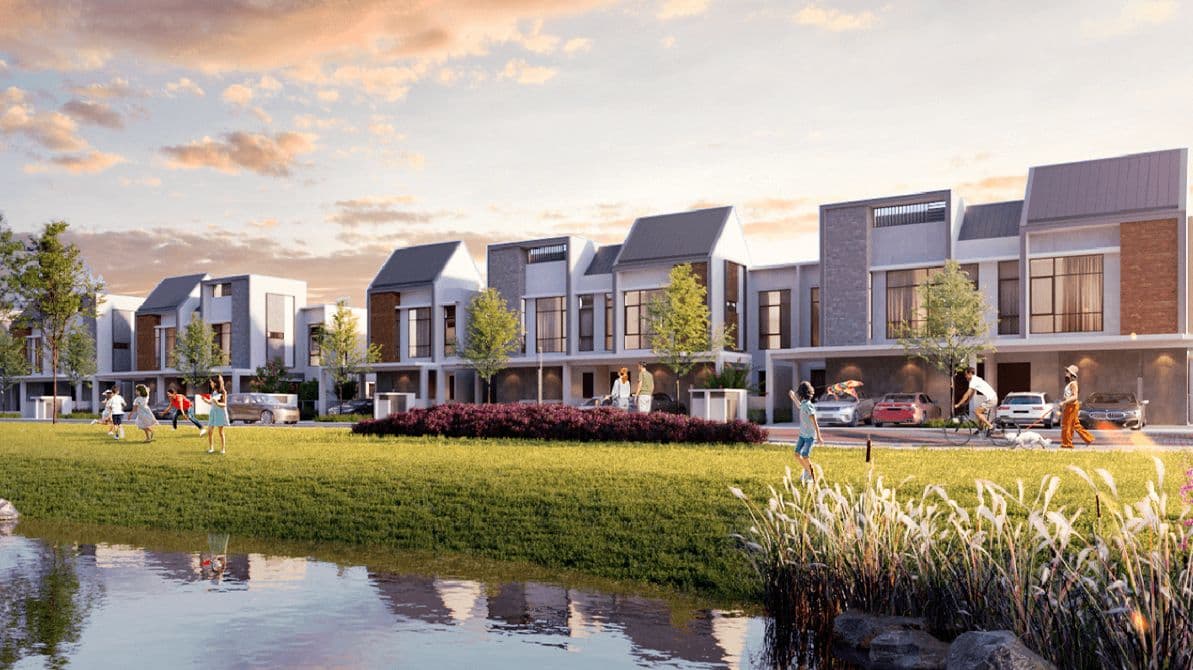
twentyfive7 is planned around a central lake, with the waterfront shaping how the township comes together.
The quayside, promenade and boardwalk create a strong sense of place, while extensive tree planting and connected green routes carry that setting through the wider development.
A continuous walking and cycling loop links homes to parks, retail, and community spaces, making the waterfront part of everyday movement rather than a destination in its own right.
The result is a greener, more walkable setting where the lake provides a shared centre for outdoor life, recreation and community activity.
How Is Gamuda Land's Green Township Approach Independently Recognised?
Gamuda Land’s approach to sustainable township planning has earned recognition both at home and on the global stage.
Low Carbon City 2030 Challenge
All three townships have received Diamond recognition under the Low Carbon City 2030 Challenge, which assesses low-carbon planning across areas such as energy, urban transport, water, and waste.
- Gamuda Cove: 5-Diamond recognition, becoming Malaysia’s first private township to receive it.
- Gamuda Gardens: 4-diamond recognition
- twentyfive7: 3-diamond recognition
FIABCI World Prix d'Excellence
The FIABCI World Prix d'Excellence Awards recognise developments internationally based on areas including masterplanning, sustainability, functionality, innovation and community benefits.
- 2026: World Gold in the Masterplan Category for Gamuda Gardens.
- 2026: World Silver in the Environmental Category for Wetlands Arboretum at Gamuda Cove.
- 2026: World Gold in the Mid-Rise Residential Category for Diamond Precinct at Celadon City, Vietnam.
The Edge Malaysia Property Excellence Awards
At the awards’ 10th edition in 2026, Gamuda Land was inducted into The Edge Malaysia Responsible Developer Hall of Fame.
The recognition acknowledges developers that have demonstrated a sustained commitment to long-term value, with developments that continue to perform and serve their communities over time.
FAQs
Which property developer in Klang Valley is best for sustainable living?
Gamuda Land is one of the developers worth considering if you prioritise sustainability alongside everyday liveability.
Its townships are planned so greener living becomes part of the routine, with shaded walks and cycle routes replacing short drives, parks and lakes helping cool the surroundings, and native planting bringing more birds and wildlife back into the neighbourhood.
How does Malaysia's weather affect which township is right for me?
It is best to consider both the home itself and its surroundings.
Features such as private gardens, courtyards and larger windows can bring in more natural light and ventilation, supporting everyday comfort from within, particularly on days when spending time outdoors is less practical.
Beyond the front door, shaded walking routes, tree-lined paths, parks and a wider network of lakes and planted spaces shape how easily people can move through and enjoy the township when conditions allow.
While a greener outdoor environment does not change the weather, it can make the neighbourhood more pleasant and usable as part of everyday life.
What is the best green township in Klang Valley?
In Klang Valley, Gamuda Cove, Gamuda Gardens and twentyfive7 each offer a different approach to green township living.
- Gamuda Cove is built around a wetland setting, with water and biodiversity shaping a more nature-close way of living.
- Gamuda Gardens was rehabilitated from a former rubber plantation into a park-led township that works with its natural terrain.
- twentyfive7 is organised around a central lake, where a green, walkable waterfront brings recreation, movement and community life together.
Each Gamuda Land township has its own natural character, shaped by the land, water and ecology already present on site.
What unit types are available across Gamuda Land’s green townships?
Gamuda Land offers a wide range of homes to suit different households and life stages, from serviced apartments and sky villas to linked terraces, cluster homes, semi-detached residences and bungalows.
Whether you're buying your first home, looking for more space as your family grows or planning for multigenerational living, there is usually an option to suit different needs within the wider portfolio.
Visit the Gamuda Land developments page to explore the latest homes available.
Are Gamuda Land’s green townships better for own stay or investment?
They can serve both purposes, but the better fit depends on what you expect from the property.
For own stay, the appeal comes from having homes planned together with greenery, recreation, retail and other everyday needs.
For investors, long-term potential depends on a broader mix of factors, including population growth, connectivity, commercial activity, future infrastructure, and the extent to which the surrounding area becomes established.
What amenities are available across Gamuda Land townships?
Amenities generally span parks and lakes, retail and dining, schools and childcare, healthcare, and recreational attractions.
Depending on the development, that can include outdoor attractions such as SplashMania Waterpark and Skyline Luge Kuala Lumpur, learning options like Blue Dot Preschool and Lexel International School, and neighbourhood conveniences including MR.DIY, Watsons and Jaya Grocer.
Conclusion
A green township is not simply one with more trees or bigger parks. It is one where the site's natural character continues to influence how people move, spend time outdoors, and experience the neighbourhood as it grows. That is what makes greener living feel like part of everyday life, rather than a feature added around it.

Latest Blogs
What Township Living Actually Means, and What You Get That a Standalone Development Can't Give You
12 October 2026
by Gamuda Land